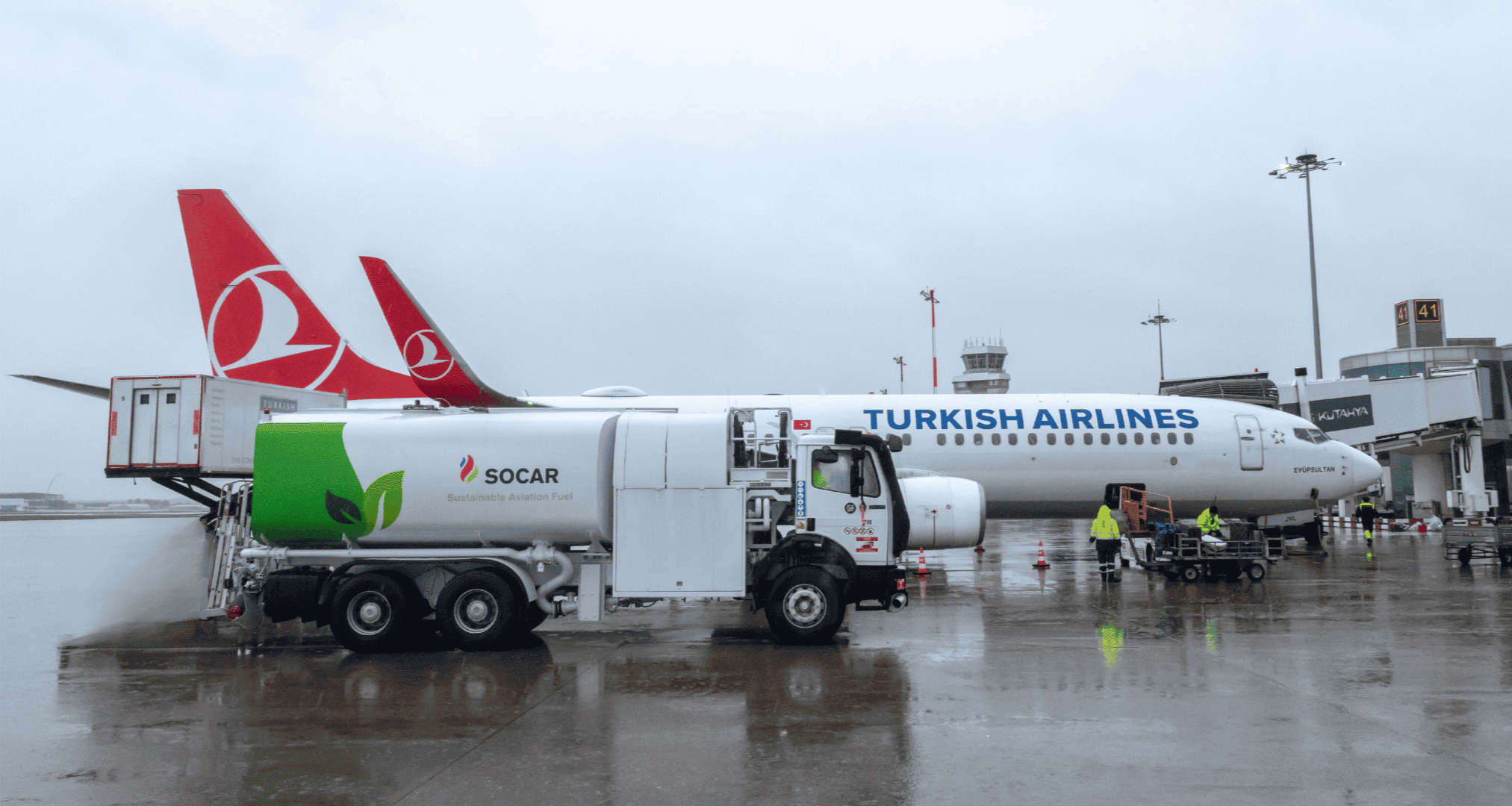
Transformation in the Sky: Toward Low-Emission Flights with Sustainable Aviation Fuel (SAF)
The transformation taking place in many sectors, particularly energy and transportation, is making global emission reduction and sustainable growth targets more visible. The aviation sector, as one of the key focus areas of this transformation, is accelerating its efforts to develop more efficient and low-carbon solutions. One of the most powerful tools in this transformation is Sustainable Aviation Fuel (SAF). Developed as an alternative to fossil fuels, this fuel type is redefining the future of aviation with its potential to reduce emissions and support the circular economy.
What is SAF and How is it Produced?
Sustainable Aviation Fuel is a new generation fuel produced from bio-based, waste-based, or synthetic sources that can reduce carbon emissions by up to 80% compared to fossil fuels. Plant and animal waste oils, used cooking oils, forest and agricultural waste, household waste, or synthetic components such as green hydrogen and carbon dioxide can be used in SAF production.
Moreover, since these fuels are fully compatible with existing jet engines and fuel infrastructure, they can be used without any changes to existing systems. This feature makes SAF the most practical solution to accelerate the transformation in the aviation sector.
The Journey to Reduce Emissions in Aviation
The aviation sector currently accounts for approximately 2.5% of global greenhouse gas emissions. While this percentage is expected to rise with the increase in the number of flights, SAF is seen as the most powerful option with the potential to change this picture. SAF, which causes 60 to 80 percent less emissions than fossil fuels throughout its life cycle, represents an important step toward achieving carbon-neutral flight goals.
This fuel, which also contributes to energy supply security, supports both economic and environmental sustainability while reducing countries' dependence on foreign sources.
Global Regulations and Roadmaps
The widespread adoption of sustainable aviation fuels is supported by international regulations.
The International Civil Aviation Organization (ICAO) has identified SAF use as a strategic priority in line with its net-zero emissions target by 2050. The ICAO's CORSIA (Carbon Offsetting and Reduction Scheme for International Aviation) program positions SAF as the primary solution for offsetting carbon emissions from international flights.
The European Union's ReFuelEU Aviation initiative, meanwhile, mandates the use of SAF at certain rates at European airports as of 2025; this rate will increase to 70% by 2050.
These policies accelerate the green transition on a global scale by directing airlines and energy producers towards sustainable fuel investments.
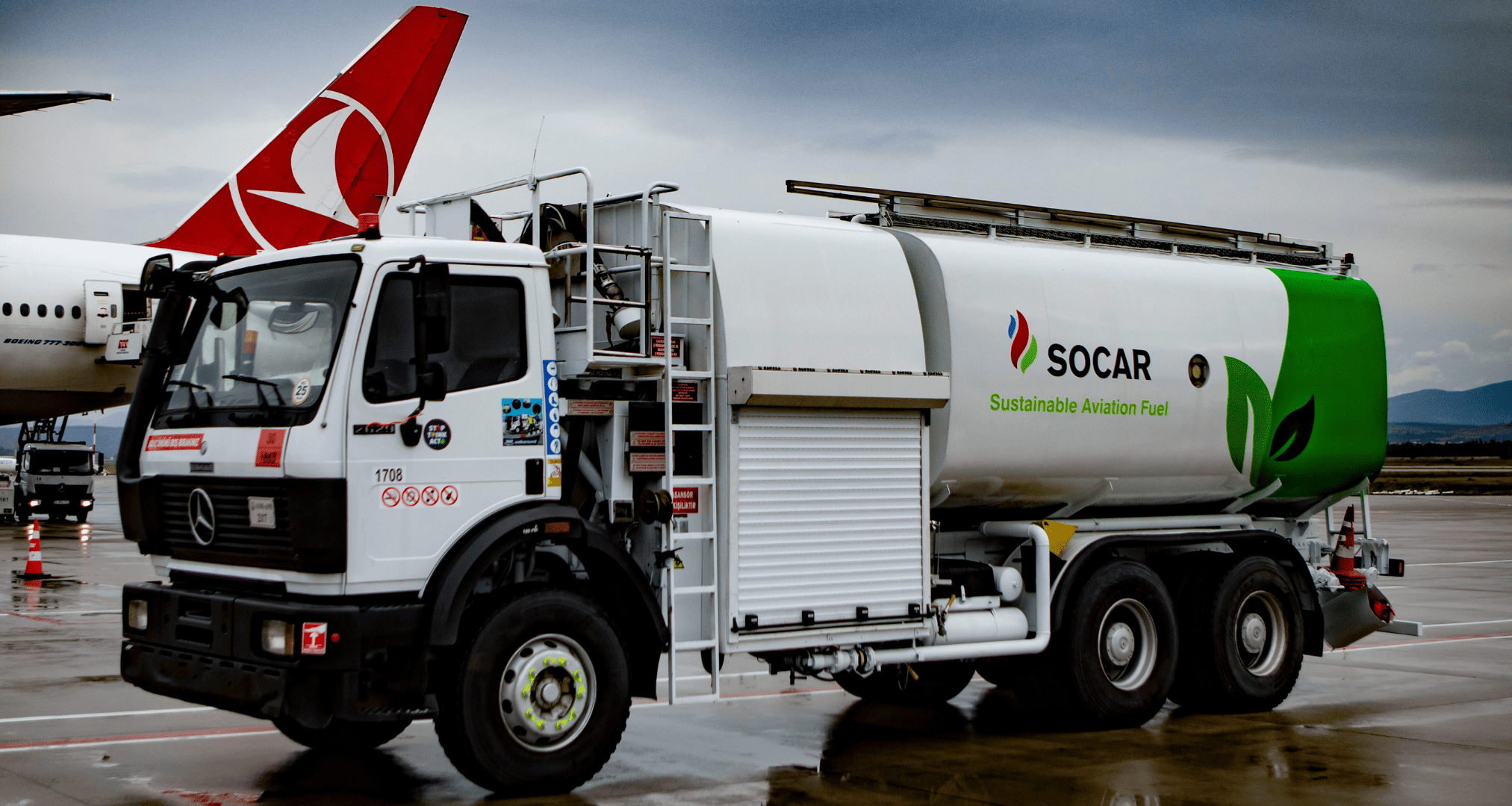
SAF Potential in Türkiye and SOCAR Türkiye's Vision
Turkey has the potential to become a regional hub for sustainable aviation fuel production, thanks to its strong energy infrastructure and strategic location. The utilization of resources such as waste oils and biomass creates a suitable ecosystem for domestic SAF production.
SOCAR Türkiye's experience in the energy and refinery sectors plays a critical role here. STAR Refinery's advanced conversion technologies, digitalization, and R&D capacity offer a robust infrastructure that can support Türkiye's regional leadership in SAF production and supply chains in the future.
With its sustainability approach, SOCAR Türkiye is one of the pioneering companies shaping Türkiye's energy future with projects that reduce environmental impact in energy production, focus on digitalization, and align with green transformation goals.
Flights of the Future
Sustainable Aviation Fuel is not just an alternative fuel; it is a strategic solution that enables the green transformation of aviation. With falling production costs, clearer regulations, and increased international cooperation, the use of SAF is expected to rapidly expand in the coming years.
The flights of the future will be shaped not only by speed and comfort, but also by the goal of a cleaner sky and a more sustainable world. SOCAR Türkiye's experience in the energy sector and its sustainability vision will continue to contribute to the green aviation journey of both Türkiye and the region as an important partner in this transformation.