A Strong Value Chain Extending from Production to Trade Sustainability
Integrated Strength in the Energy Value Chain: A Strategic Framework from Production to Trade
The energy sector is now evaluated not only on the basis of production capacity, but also on its flexibility, integration, and strategic management capabilities. Rising global demand, the 2030 and 2050 climate targets, and the acceleration of digitalization necessitate a holistic approach to all links in the energy value chain.
A robust energy structure is achieved through the integration of production, system balance, trade, and portfolio management under a single strategic vision. This holistic approach supports both supply security and market resilience.
2030 and 2050 Perspective: Low-Carbon and Flexible Systems
The global energy transition is taking shape around the goals of increasing renewable capacity, enhancing energy efficiency, and reducing carbon intensity by 2030. In the 2050 perspective, many countries are moving toward lower-carbon, digitalized, and flexible energy systems in line with net-zero emissions targets.
In this transformation process, natural gas combined-cycle power plants play a crucial role in system stability thanks to their ability to balance the fluctuating output of renewable energy sources.
SOCAR Türkiye is shaping its investments in the energy sector according to a strategy that supports system flexibility, enhances efficiency, and integrates production with trade. In the 2030 outlook, the integration of production and trade activities into a more cohesive structure stands out as a key element of this approach.
An Integrated Approach from Production to the Market
The true strength of the energy system becomes evident when electricity generation, the transmission system, and trading mechanisms are evaluated together.
While grid balance and supply-demand alignment form the foundation of system security, price dynamics emerging within the free market structure directly influence production strategies. Therefore, possessing production capacity provides a significant advantage in trading and portfolio management. At this point, the Gas-to-Power approach—which refers to the integrated management of the process extending from natural gas supply to electricity generation and energy trading—takes center stage. In this approach, the natural gas portfolio, production planning, and electricity trading are evaluated within the same strategic framework.
SOCAR Türkiye implements this model by managing its natural gas supply capacity and electricity generation capacity in conjunction with its energy trading activities conducted through SOCAR Energy Trade. This ensures that supply and production planning are aligned, flexible production strategies are developed in response to market conditions, and portfolio management is strengthened.
This approach is not limited to the integration of production and trading. Through its aggregation activities, SOCAR Türkiye is transitioning its energy supply chain toward a more sustainable structure by incorporating renewable energy production and green energy certificates into its portfolio. In this way, the company is taking concrete steps to reduce its carbon footprint while increasing the use of clean energy and actively contributing to the low-carbon energy transition.
Thanks to green energy certificates—which document environmental benefits derived from renewable sources—SOCAR Türkiye is offering its customers a more environmentally friendly energy portfolio while steadfastly advancing its sustainability goals.
SOCAR Energy’s Strengthened Gas-to-Power Strategy with İÇAN
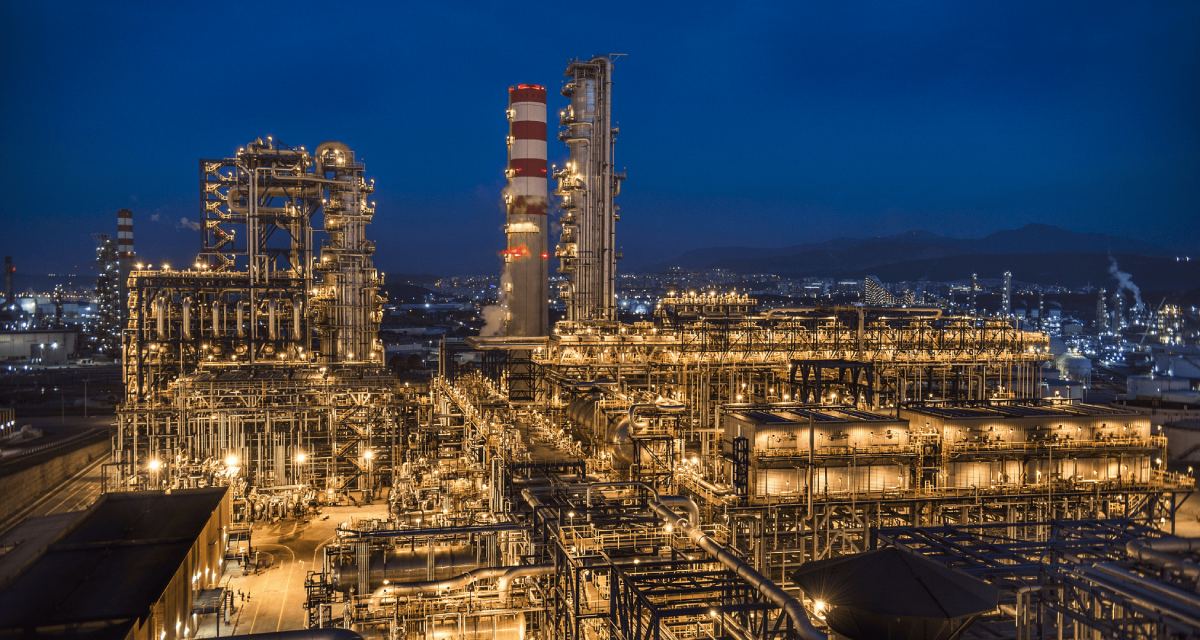
The commencement of operations at the Central Anatolia Natural Gas Combined Cycle Power Plant (İÇAN), located in Kırıkkale and boasting an installed capacity of 870 MW, under the SOCAR Türkiye umbrella has strengthened the production pillar of the Gas-to-Power strategy.
SOCAR Energy İÇAN contributes to system flexibility through its rapid startup and load-following capabilities, while also enabling the evaluation of production capacity in conjunction with trading activities. As a result, the integrated structure extending from natural gas to electricity gains a stronger and more coordinated foundation.
An Integrated Value Chain, A Strong Future
Sustainable success in the energy sector is achieved through the harmonious management of production and trading capabilities.
With SOCAR Energy İÇAN operating under SOCAR Türkiye, the integrated structure extending from natural gas to electricity has been further strengthened. This approach offers an energy model that adapts to changing market conditions, supports system security, and operates with a long-term strategic perspective.
This harmony across every link of the energy value chain forms the foundation of a resilient and sustainable energy ecosystem.